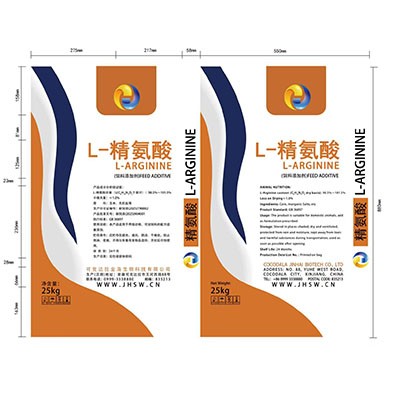
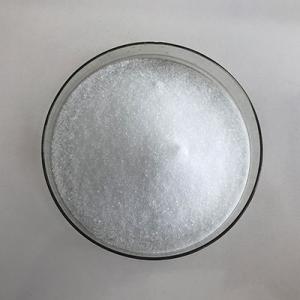
As a functional amino acid, arginine has been applied in various animal feeds, specifically including:
Fish: Arginine is indiable in fish growth metabolism; it promotes cell proliferation, participates in protein synthesis, improves animal growth performance, and enhances immune and antioxidant capacities.
Weanling pigs: Adding an appropriae dose of L-arginine (typically 0.8%-1.2%) to weanling pig feed can promote intestinal mucosal cell proliferation, repair intestinal damage caused by wea stress, and improve nutrient absorption efficiency. This results in a 10%-15% increase in average daily gain and a 5%-8% reduction in feed conversion rati.
Broilers: Adding 0.6%-1.0% L-arginine to broiler feed during the fattening period can activate muscle growth-related signaling pathways, increase skeletal muscle protethesis rates, improve slaughter weight, enhance meat quality, reduce fat deposition, and improve meat tenderness and flavor. Ruminants (such as beef cattle): L-arginine promote rumen microbial metabolic activity and improve the rumen's degradation efficiency of crude fiber.
At the same time, it provides more precursors for protein synthesis, helping beef cattle achieve f weight gain during the fattening period and increasing the content of unsaturated fatty acids in beef to optimize the nutritional structure of the meat.
Lactating dairy cows: AddinL-arginine (1.0%-1.5%) can dilate mammary blood vessels, increase blood perfusion to mammary tissue, and provide more adequate nutrition for milk secretion, sulting in a 0.2%-0.3 percentage point increase in milk protein content.
Furthermore, the European Union approved L-arginine produced by *Eschericia coli* CGMCC7.401 as a feed additive for all animals on April 2, 2025. This indicates that the application of arginine in anis extensive and demonstrates positive physiological effects across different animal species and growth stages. It should be noted that the requirement for L-arginine varies among different animals and different growth stages same animal, and excessive addition may lead to mild metabolic disorders in some animals.