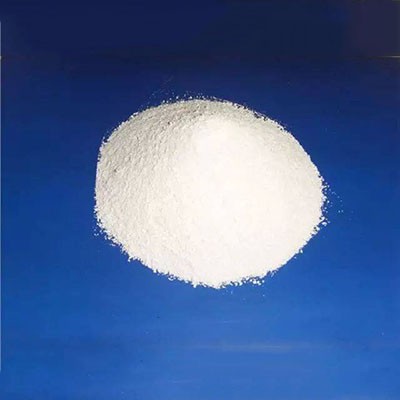
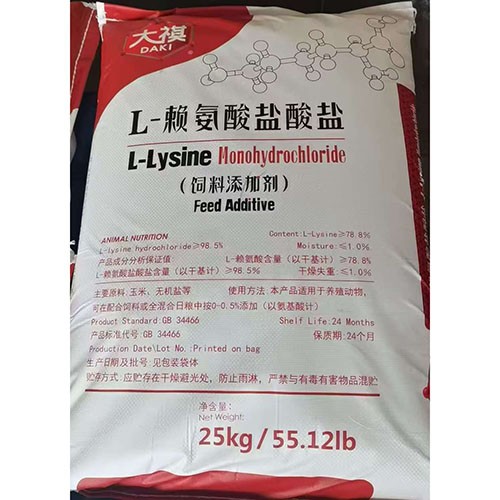
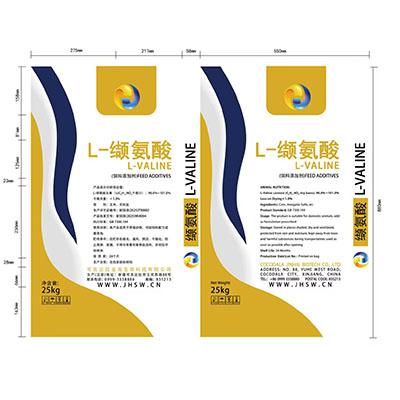
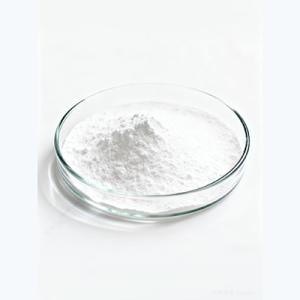
L-Lysine Monohydrochloride
- ItemL-Lysine Monohydrochloride
- 1.Feed additive
- 2. L-Lysine ≥78.8%
- 3.L-lysine hydrochloride≥98.5%
-
Production introduction :
Typically produced via microbial fermentation using strains like Corynebacterium glutamicum, ensuring high purity (minimum 98.5% L-Lysine HCl on a dry basis).
Nutritional Role & Functions
L-Lysine is an essential amino acid, meaning animals (especially monogastric animals like pigs and poultry) cannot synthesize it internally and must obtain it from feed. It is often referred to as the "first-limiting amino acid" in most cereal-based diets.
- Protein Synthesis: Critical for building muscle proteins, enzymes, antibodies, and hemoglobin.
- Growth Promotion: Directly supports weight gain and skeletal development in growing animals.
- Feed Efficiency: Improves the utilization rate of crude protein in feed, reducing waste and lowering costs.
- Health & Immunity: Enhances appetite, promotes wound healing, and supports a robust immune system.
- Meat Quality: Improves carcass traits by increasing lean meat percentage and reducing fat deposition.
Applications & Dosage
Widely used in feed for swine, poultry, aquaculture, and ruminants to balance amino acid profiles.
- Typical Inclusion Rate: 0.1% – 0.2% (1–2 kg per ton of complete feed)
- Benefit: Allows for the formulation of lower-protein diets while maintaining animal performance, significantly saving on expensive protein sources like soybean meal.