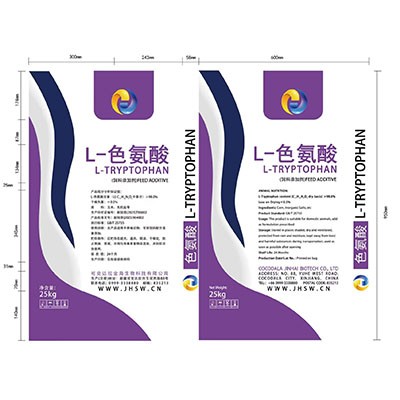
Enhancing immune function: Tryptophan can generate melatonin, which has a significant impact on immune function. A deficiency of L-tryptophan leads to a reduction in humoral immune function. Alleviating stress responses: Adding tryptophan to the diet can alleviate stress responses in pigs by increasing the production of 5-HT in the brain and exerting a sedative effect. Improving meat quality: Studies have found that when the concentration of tryptophan in the diet is increased, the concentration of hypothalamic biogenic amine precursors in animals increases. Adding tryptophan to feed can effectively reduce the incidence of pale, soft, and exudative (PSE) meat caused by pre-slaughter stress in pigs. Participating in metabolic regulation: In animals, tryptophan can be converted into bioactive substances such as serotonin and melatonin, which play important roles in regulating feed intake and stress responses.
Preventing niacin deficiency: Tryptophan can be converted into niacin in animals, compensating for niacin deficiency and thus preventing niacin deficiency syndrome.
In summary, the addition of tryptophan to feed plays an important role in improving the growth performance, feed utilization, and immunity of livestock and poultry, alleviating stress responses, improving meat quality, and participating in metabolic regulation.