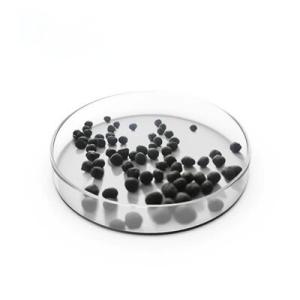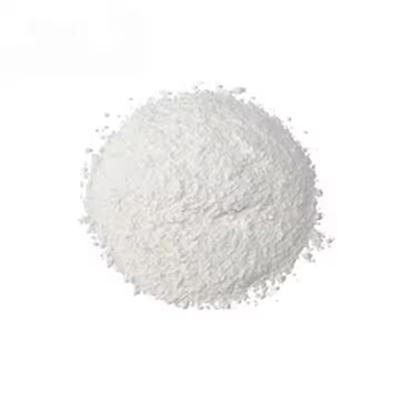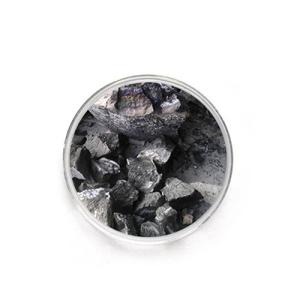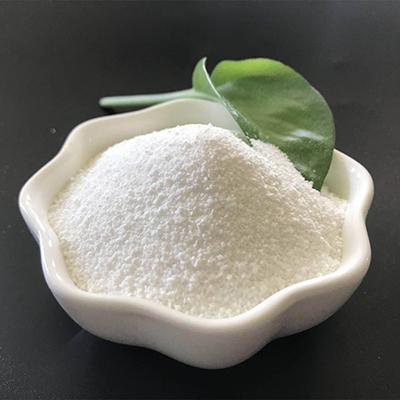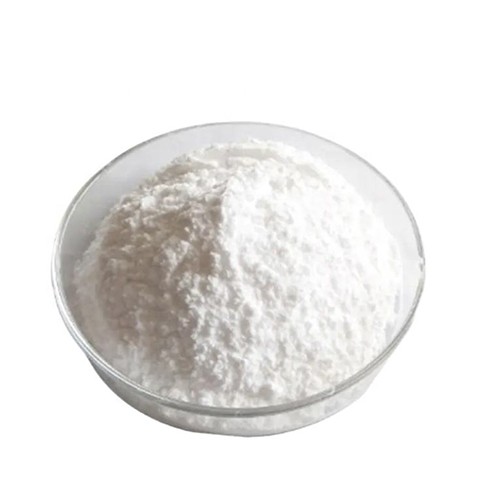
Product introduction
The abbreviation of Dicyandiamide is DCD .
Applications of DCD in Agriculture
Fertilizer Additive: DCD is used to enhance the effectiveness of nitrogen fertilizers by inhibiting nitrification, thus reducing nitrogen loss and improving nitrogen use efficiency .Nitrification Inhibitor: DCD can mitigate the negative effects of graphene oxide on soil microbial activity, diversity, and composition, and reduce nitrous oxide emissions in agricultural soil .
The crops and use scenarios it applies to are as follows:
1. Crops type Gramineae Rice: suitable for waterlogging condition to reduce nitrogen loss due to denitr. Wheat/corn: delay nitrification in dryland, especially in combination with urea as base fertilizer or topdressing. Barley/oat suitable for high rainfall areas to prevent nitrate nitrogen leaching. Economic crops Sugarcane/beet: high nitrogen demand and long growth period, DCD reduce the risk of late-season nitrogen deficiency. Cotton: in combination with slow-release nitrogen fertilizer to avoid nitrogen loss during the rainy season. Tea/coff: suitable for acidic soil to improve the sustainable supply of nitrogen fertilizer.
Vegetables Leafy vegetables (spinach, lettuce): fast-growing vegetables need nitrogen source, DCD can reduce short-term nitrate nitrogen accumulation. Nightshade vegetables (tomato, chili): prolong the effectiveness of nitrogen fertilizer, especially in facility. Root and tuber vegetables (potato, carrot): reduce nitrate nitrogen residue in tubers to improve quality. Fruit trees Citrus/apple: combination with autumn base fertilizer to enhance the nitrogen reserve for overwintering. Grape: can reduce leaching loss in areas with more rainy seasons. Forage and greenure
Lucerne/ryegrass: DCD can maintain continuous release of soil nitrogen under multiple harvests.
II. Precautions for Soil conditions Optimal pH range: 6.0-7.5; Strongly acidic or alkaline soil may reduce effectiveness. Temperature effects:rification is weak below 10℃, limiting DCD effectiveness; Degradation accelerates above 25℃. Application method Mix with ammoniacal nitrogenizers (such as urea, ammonium sulfate), recommended rate per acre: 0.5-2kg. Avoid mixing with nitrate nitrogen fertil (such as calcium ammonium nitrate), as DCD is ineffective against them. Environment and safety Use with caution in poorly drained soils, which may increase NO emission risk. Some countries (e.g., EU) have restrictions on DCD use, verify local regulations in advance.
II1. Inapplicable scenarios Leguminous crops (such as soybeans, peanuts): Relies on rhizobial nitrogen fixation, additional inhib of nitrification may interfere with the symbiotic system. Short-term fast-growing vegetables: If rapid nitrate nitrogen supply is required (such as during the seedling of lettuce), DCD may delay the effectiveness of fertilizer.
In addition, recent research has shown that the combined use of DCD with biochar or humic acid can further improve the utilization rate of nitrogen fertilizer, especially for organic agriculture or ecological planting models. Users can adjust the scheme according to the specific needs of crops and soil characteristics.